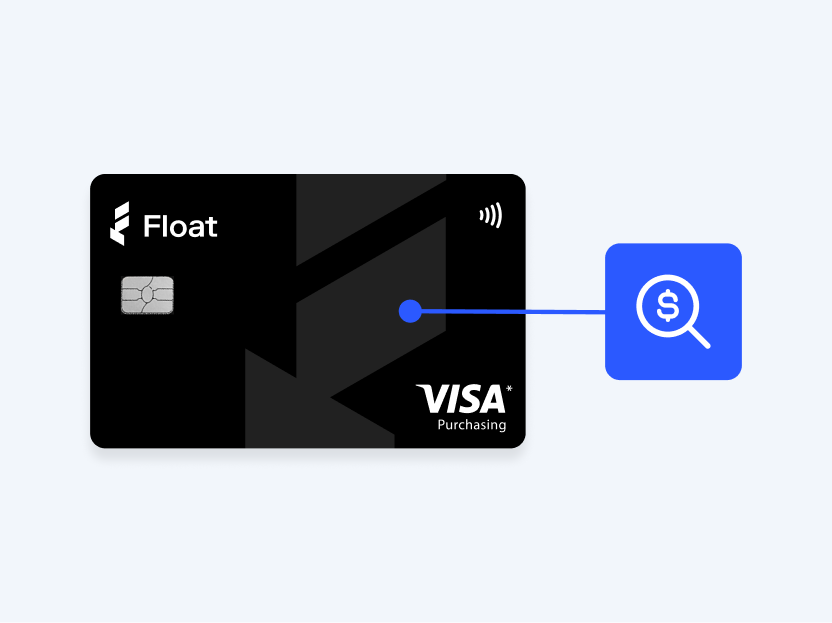
Best Credit Card for E-commerce and Retail Companies in Canada

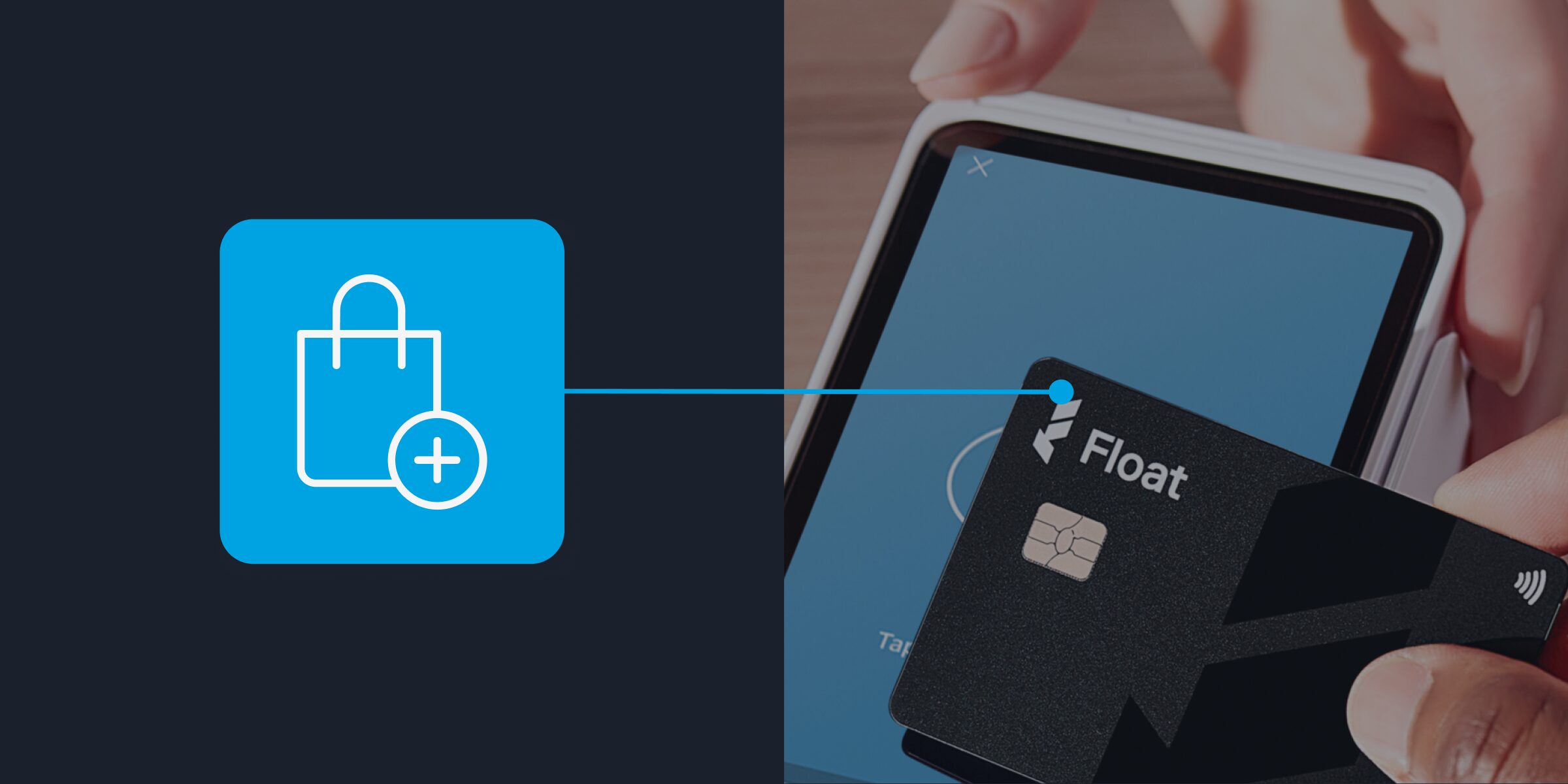

Running a retail or e-commerce business in Canada isn’t for the faint of heart. Between inventory costs, shipping fees, ad spend and seasonal swings, your cash flow has a lot of moving parts.
That’s where the right business credit card comes in. You need a smart tool to manage spend, smooth out the dips and even earn rewards along the way.
While retail and e-commerce are commonly powered by small business owners with big ambitions, the market itself is huge. Retail e-commerce sales are forecast to reach over $130 billion by 2027, and that’s only about 12% of the total retail market. And to get a part of that, retail and e-commerce business owners need a financial solution that grows with them, not slows them down.
In this guide, we’ll explore the best credit cards for retail and e-commerce businesses in Canada. We’ll break down what to look for and which options deliver the most value, whether you’re selling online or stocking shelves in a local shop.
What is a business credit card?
A business credit card is a type of credit card made specifically for business spending—not personal purchases. It’s issued to your business (even if you’re a sole proprietor) and helps keep business and personal finances clearly separated. We’re all for not white-knuckling those tax returns.
What makes a business card different from a regular credit card? Features like higher credit limits, employee cards, categorized expense tracking and rewards are often better suited to how businesses spend.
Just getting started? Learn how to get a business credit card.
Best business credit cards
Compare top options, fees and benefits for
Canadian companies.
Why is a business credit card important for retail and e-commerce?
Retail and e-commerce businesses have unique sales rhythms that don’t always align with when cash hits your account. Inventory has to be ordered weeks ahead, and ad campaigns need to run before sales roll in. Shipping costs fluctuate. A business credit card can help bridge those timing gaps so you’re not scrambling.
Beyond short-term cash flow support, business credit cards can also help track spending across platforms, team members or locations. This is especially useful if you’re selling both online and in a store. And because business credit builds separately from your personal credit, using your card responsibly can help you unlock better financing options down the road.
What features matter most for retail and e-commerce teams?
Choosing a credit card for your retail or e-commerce business isn’t just about picking the one with the best rewards. The key is to find a tool that matches the way your business spends, scales and manages cash.
Here’s what to prioritize:
Smart spend controls
You need to know where your money is going and keep it on track.
- Virtual and physical cards
Instantly issue virtual cards for ad platforms like Meta, Google or Amazon, and physical cards for store teams and suppliers. Look for cards that support both CAD and USD to simplify multi-currency operations. - Merchant-specific and campaign-level control
Set vendor locks, approval flows and temporary or recurring spending limits. This level of control helps reduce fraud, prevents overages and keeps digital campaigns on budget. - Security and fraud prevention
While EMV chips, tokenization and 2FA are standard, virtual cards add an extra layer. Authorize them for single use or a specific platform, then cancel or replace instantly if needed. This is especially useful when managing multiple ad accounts or rotating vendors.
Better visibility and faster reconciliation
When spend happens across teams, stores or campaigns, tracking it all in real time is essential.
- Real-time dashboards and reporting
See who spent what, where and why across every department, campaign or location. This keeps budgets on track and makes audits painless. - Multi-part tax coding and expense categorization
Auto-categorize transactions, break out GST/HST/PST and sync directly to your general ledger. It’s the fastest path to closing your books each month. - Expense management tools
Integrated tools that capture receipts, match transactions and sync with your accounting software (like QuickBooks or Xero) turn chaos into clarity.
Cash flow and capital flexibility
Retail and e-commerce businesses often spend before they earn, especially during seasonal peaks.
- Same-day funding and high-yield reserves
Access funds when you need them and earn 4% interest on idle cash in the meantime. This helps you prepare for seasonal demand without draining your main account. - Generous credit limits
If you’re scaling fast or stocking up ahead of a major sale, you’ll need a card that can keep up with larger purchase volumes and marketing pushes. - Float FX with market-leading rates
If you spend in USD or pay international suppliers, FX fees add up fast. Transparent, low-cost currency conversion helps protect your margins and keeps global payments seamless.
Rewards that match your business model
Not all points are created equal. Pick a card that gives back where you spend most.
- Cashback or points on inventory, shipping and digital ads
Whether you're running ad-heavy campaigns or stocking shelves, focus on cards that reward your highest expense categories. - Employee cards with set limits
Empower trusted team members while keeping spend in check. Bonus if employee cards are free. - No foreign transaction fees
A must-have if you sell to or source from outside Canada.
For more on how cards can support financial operations, explore this article on credit card expense management best practices.
With those capabilities in mind, let’s take a look at the best credit cards on the market for Canadian retailers.
Best credit cards for retail business spending
Here’s a roundup of cards that offer strong value for brick-and-mortar retail businesses, with features built to support inventory purchases, everyday expenses and team-wide spending.
Float Corporate Card
Float stands out for modern retail operations. With no personal guarantee, real-time expense tracking and unlimited virtual cards, it’s built to streamline how you manage team purchases and recurring expenses. The 1% cashback and CAD/USD options, and FX support make it ideal for multi-location or inventory-heavy retailers.
BMO CashBack® Business Mastercard®
A no-frills, no-fee card that puts money back in your pocket with every purchase. It’s a reliable choice for everyday spending like supplies and utilities, and additional employee cards come at no cost.
TD Business Travel Visa Card
If you’re hitting trade shows, visiting suppliers or doing regional business travel, this card rewards you on every mile. Travel perks, insurance and a welcome bonus help stretch your budget further.
RBC Avion Visa Infinite Business
With flexible rewards and access to an RBC business advisor, this card is a good fit for established retail companies that want support while scaling. Bonus: employee cards and expense management tools are included.
Compare retail business credit cards in Canada

*on all categories after the first $25K of monthly spend
Best credit cards for e-commerce business spending
E-commerce businesses often face high ad spend, cross-border transactions and rapidly scaling operations. These are the cards built to meet those challenges.
Float Corporate Card
Float corporate cards offer the flexibility and control that e-commerce teams need. Use unlimited virtual cards for ad platforms, automate expense tracking and integrate with your accounting software, with no personal credit check required. New features like Float FX and multi-part tax codes make it easy to manage global vendor payments and stay tax-compliant. Plus, the security benefits of merchant-locked cards help keep your digital advertising campaigns safe and on budget.
The Business Platinum Card® from American Express
For e-commerce businesses with high monthly spend, especially on advertising, SaaS tools or international suppliers, this premium card delivers excellent points value, flexible redemptions and travel perks for founders on the go.
To see how Float stacks up against traditional options, read our comparison: American Express vs. Float.
CIBC bizline® Visa Card
Not all e-commerce growth is smooth. The CIBC bizline works more like a line of credit, offering low interest and no annual fee, perfect for managing inventory buys, returns or unexpected slow periods.
Scotiabank Passport® Visa Infinite Business
Selling to or sourcing from other countries? This card removes foreign transaction fees and gives you travel and insurance perks on top, making it a good pick for e-commerce businesses with cross-border needs.
Compare credit cards for e-commerce spending in Canada

Alternative funding options
A business credit card is a flexible tool for managing everyday expenses, but it’s not the only option. For retail and e-commerce businesses that deal with seasonal swings, bulk inventory buys or rapid growth, it’s worth exploring additional funding sources.
These can include lines of credit, venture debt and government grants or loans. Pairing a business credit card with other financial tools can give you more breathing room and better control over cash flow. The key is building a mix that matches how your business earns, spends and grows.
Before you decide, you might also want to check out our curated list of the best business credit cards in Canada for a broader comparison.
How to choose the right business credit card
Finding the perfect business credit card is like matchmaking, and it’s all about compatibility. Here’s how to swipe right:
1. Analyze your spending habits
Dive into your expense reports to identify where your money flows. Do you splurge on digital ads, or is travel the heaviest hitter on the books? Align your card’s rewards with your primary spending categories.
2. Assess your financial position
A stellar personal credit score can open doors to premium business cards. Know where you stand to set realistic expectations.
3. Compare card options
Don’t settle for the first flashy offer. Scrutinize multiple cards, focusing on rewards you’ll use, fees, interest rates and additional perks.
4. Consider the card issuer’s reputation
A card is only as good as the company behind it. Opt for issuers known for excellent customer service and robust support because when you need help, you won’t want to be left in the dark.
5. Evaluate the application process
Some cards offer swift approvals and minimal paperwork, getting you back to business faster.
Float: Business credit cards designed for retail and e-commerce in Canada
Whether you’re managing a storefront or scaling an online shop, the right credit card can make a big difference in how efficiently (and profitably) you run your business.
From cash flow management to rewards that give back, today’s options go far beyond basic plastic. And while there are several strong contenders, Float’s flexibility, FX transparency and smart features—like multi-part tax coding and virtual card controls—make it a top choice for modern Canadian businesses.