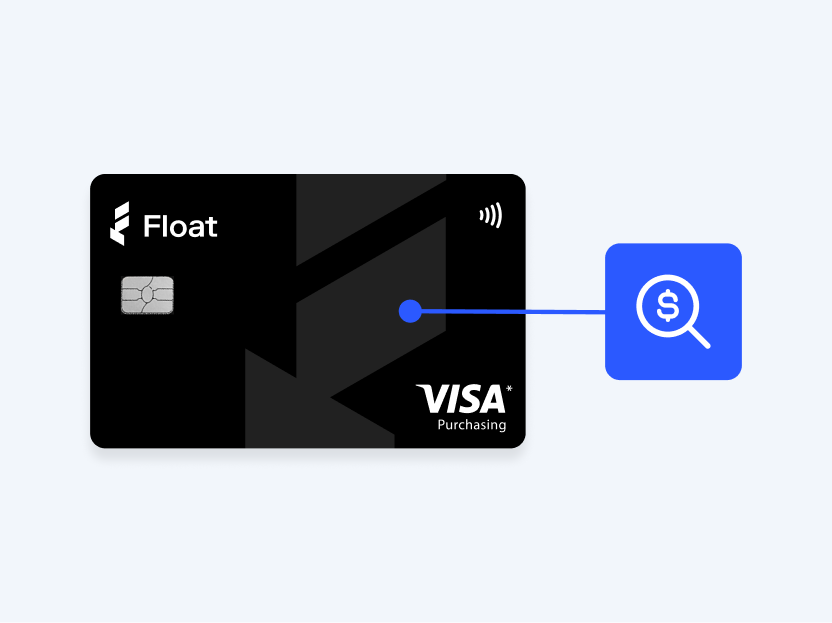
Credit Card Fraud Prevention Strategies for Canadian Businesses



Credit card fraud has long been a consumer headache, but it’s also a real risk for Canadian businesses. From skimming devices at gas stations to employee misuse of company cards, fraud strikes quickly and severely.
One in five Canadian businesses surveyed had experienced payment fraud in the past six months, compared to 13% of Canadian consumers. Credit card fraud accounted for 20% of these incidents, according to Payments Canada.
The good news? A few smart controls and the right tools can go a long way in protecting your financial data and your business operations.
We spoke with Brian Didsbury, CPA and Senior Manager/Controller at LiveCA, to get his perspective on how companies can proactively prevent fraud without slowing down their teams.
Here’s his advice on how to stay one step ahead with business financial fraud solutions that keep you in control.
Best business credit cards
Compare top options, fees and benefits for
Canadian companies.
Understanding credit card fraud in Canada
Fraud isn’t just something that happens to the big guys or people who click suspicious email links. Increasingly, Canadian SMBs are being targeted by both external scammers and internal missteps. The costs may not always make headlines, but they can definitely hit the bottom line.
“The one that catches businesses most off guard is skimming,” says Brian. “This is when cards are used physically at gas stations or ATMs where someone has installed a reader to collect your data. Then suddenly, you've got fraudulent charges showing up.”
While external threats such as card-not-present fraud and chargebacks are common, internal card misuse is equally risky, especially when companies lack strong controls in place. Enterprise credit card security must work to mitigate both types of threats.
Common external fraud risks that companies face include:
- Card-not-present fraud (online or over the phone)
- Chargebacks from disputed customer transactions
- Identity theft and account takeover
Common internal risks that companies face include:
- Unauthorized employee spending
- Use of a corporate card outside of policy
- Vendor kickbacks or inflated invoices
Your credit card solution should have protections in place to mitigate both of these risks, or else you risk fraud that extends far beyond a single instance.
“One of our partners used the company card at a convenience store while travelling,” says Brian. “When the card was compromised, it impacted dozens of software subscriptions tied to that card. It created a scramble to update everything while services started failing.”
Canadian business financial security requires more than outdated tools. Understanding these types of credit card fraud and how far one issue can go is the first step in building smarter defenses.
Warning signs for businesses to look out for on credit card fraud
If you know what to look for, you don’t need to be a forensic accountant to spot signs of trouble. Many credit card fraud cases exhibit early red flags that often go unnoticed until the damage is already done.
Whether it’s an employee slipping through extra charges or a vendor pulling a fast one, the warning signs tend to repeat themselves.
Here are a few signs to watch out for:
- Unusual spending patterns on employee cards
- Vague or missing expense documentation
- Frequent low-value charges just under approval thresholds
- Sudden changes in vendor banking details
- Duplicate or unclear invoices
“Business owners think they’re being cautious by putting everything on one card,” says Brian. “But that actually creates their biggest vulnerability. If that card is compromised, you could lose access to your entire tech stack.”
Red flags aren’t constantly flashing in neon. That’s where fraud risk management becomes critical to spot patterns early, apply smart controls and make spend visibility a real-time priority.
Essential fraud prevention strategies for businesses
Prevention doesn’t mean locking everything down and tossing the key. Your best bet is to set smart guardrails, allowing your team to move quickly without exposing the company to unnecessary risk. Think corporate cards with built-in controls and real-time tracking.
Here’s how Canadian businesses can protect themselves on two fronts: customer payments and internal spending.
For businesses accepting customer payments:
- Use Europay, Visa and Mastercard (EMV) chip readers to reduce in-person fraud
- Ensure your point-of-sale system is payment card industry (PCI) compliant
- Monitor for unusual customer behaviour and chargebacks
For businesses using corporate cards:
- Set individual card controls and role-based limits
- Issue vendor-specific or one-time-use virtual cards
- Limit card use to specific merchant categories
- Enable real-time alerts and transaction approvals
- Conduct monthly audits and reconcile card activity regularly
- Train staff to understand and follow expense policies
“We segregate spend. Travel gets a physical card with limits by date and category. Software vendors get virtual cards,” says Brian. “The remaining risk is small, and they won’t disrupt our core tools.”
Enterprise credit card security doesn’t have to be a burden. With the right platform, it becomes a built-in layer of protection that keeps your business moving and your spend secure.
What to do if your business is targeted
Even with the best controls, fraud can still happen. And when it does, time is of the essence. Knowing how to respond can mean the difference between a quick resolution and a financial mess.
If you discover internal or external fraud, pause the affected card immediately and review what was tied to it. Then, take stock of how this happened and identify the changes that can prevent a repeat.
“You probably won’t figure out exactly how it happened,” says Brian. “But you can do a quick debrief. Where did the card get used? What was tied to it? And what’s your plan if it happens again?”
Six steps to take after fraud occurs
Credit card fraud isn’t a matter of if it might happen to you; it’s when it will happen. How you prepare today is what will make the difference if the fraud is major or if it is stopped in its tracks.
Having a plan ready can save time, money and your team’s sanity when it counts most. Here’s where to start:
- Cancel the card and reissue new ones as needed
- Update vendors and subscription billing details
- Review past transactions for patterns or overlooked issues
- Tighten controls where gaps were exposed
- Notify affected employees or customers promptly
- Document the incident for compliance or insurance purposes
“It's eye-opening to realize how much of your business depends on that one card. You need a contingency plan before something goes wrong,” says Brian.
Float’s fraud-smart solution for spend control
CFO fraud risk management strategies go a long way to bolstering Canadian business financial security, helping business owners sleep better at night.
Float offers business financial fraud solutions that help finance teams take control without adding friction. With the right tools and a little foresight, you can cut off fraud before it ever gets a foothold.
“It removes so much friction,” says Brian. “You’re not stuck calling your bank to get new cards sent out or scrambling to cover renewals. With Float, you’ve got a backup plan built in.”
Fraud doesn’t need to be inevitable, and protecting your business doesn’t need to be painful. With fraud prevention strategies for businesses built right into the platform, Float helps you move fast, stay secure and focus on what matters.
Try Float for free
Business finance tools and software made
by Canadians, for Canadian Businesses.